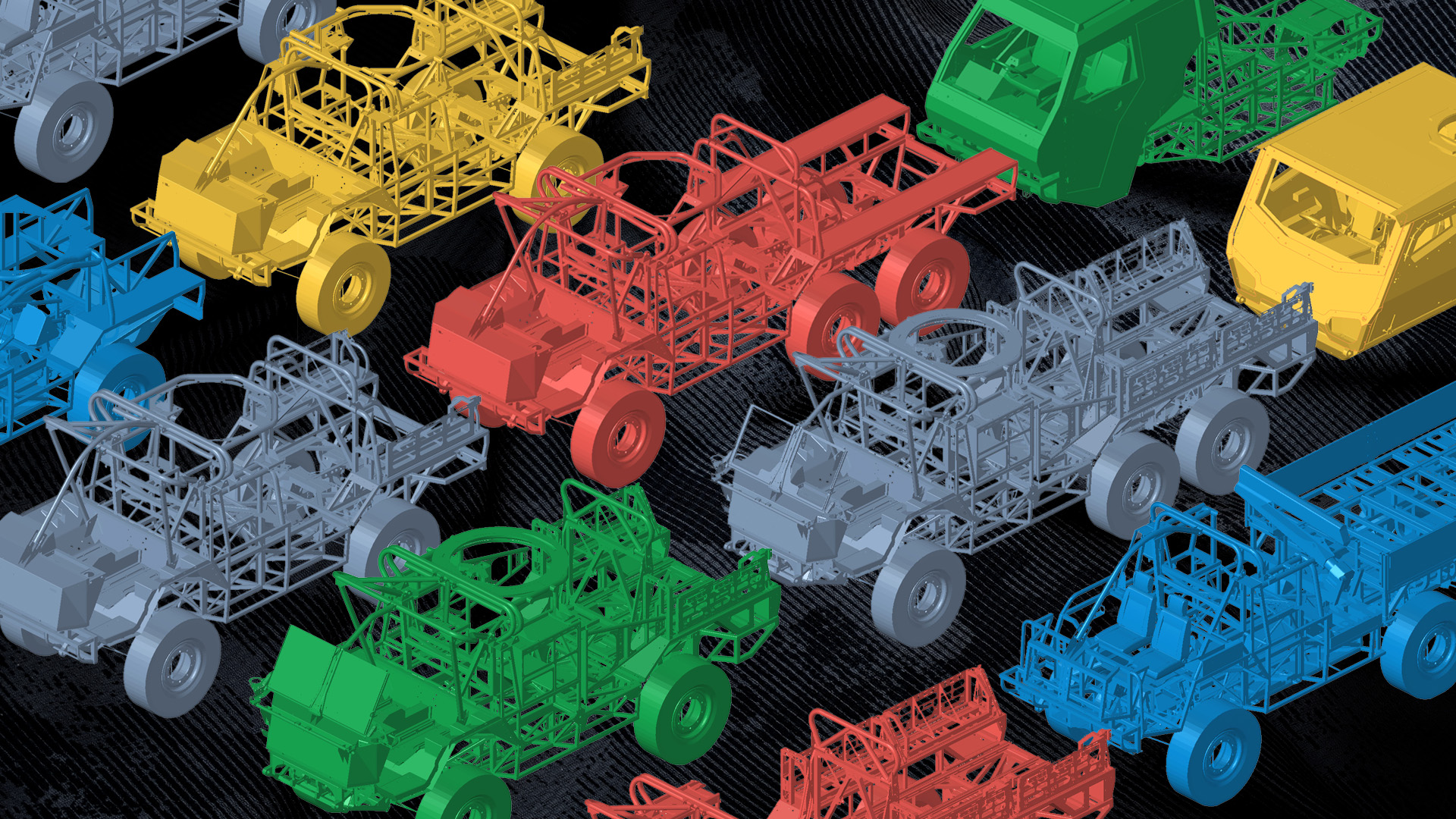
Dedicated analysis, tailored to each engineering requirement.
Our services cover structural analysis, explicit dynamics, crash and impact, shock and blast, fluid–structure interaction, engineering optimisation and independent technical reviews.
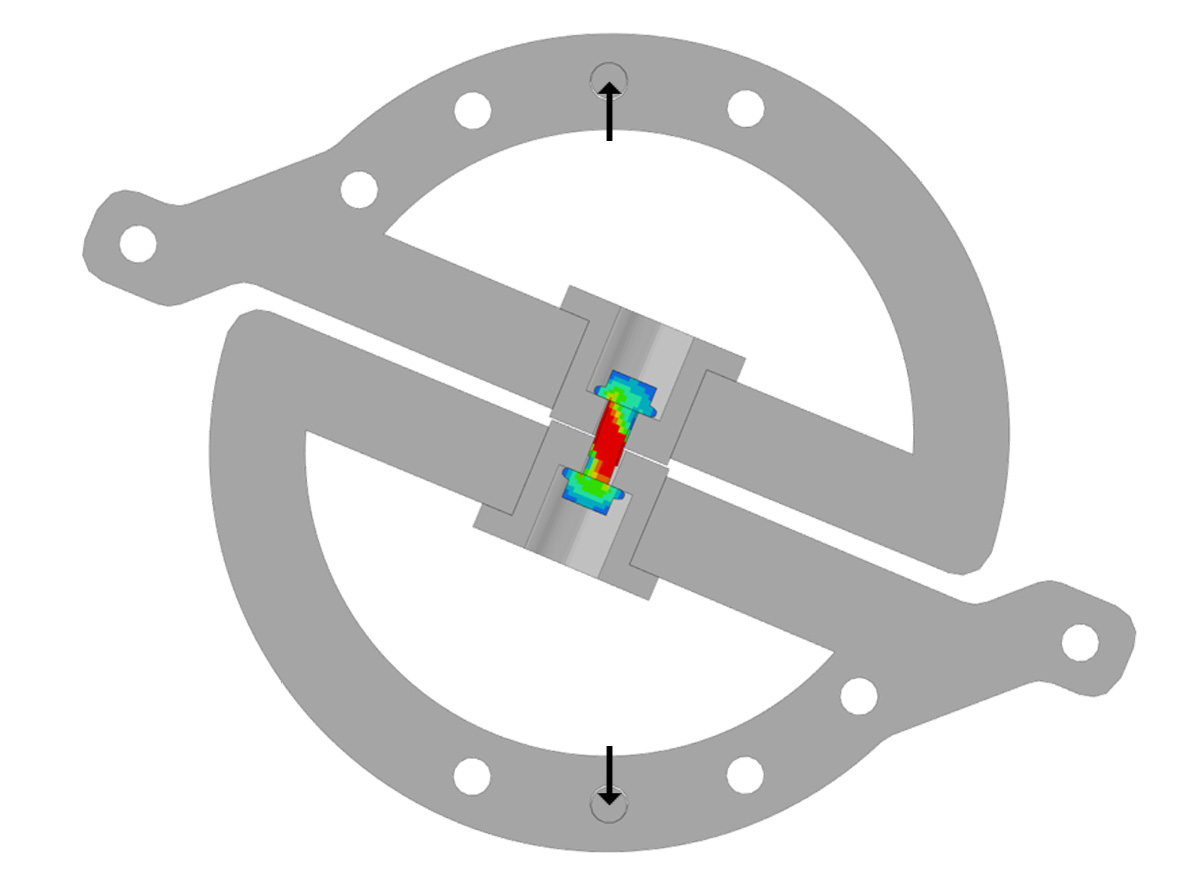 FEA
FEAAssess structural response, compare design options and provide evidence for development, validation and certification activities.
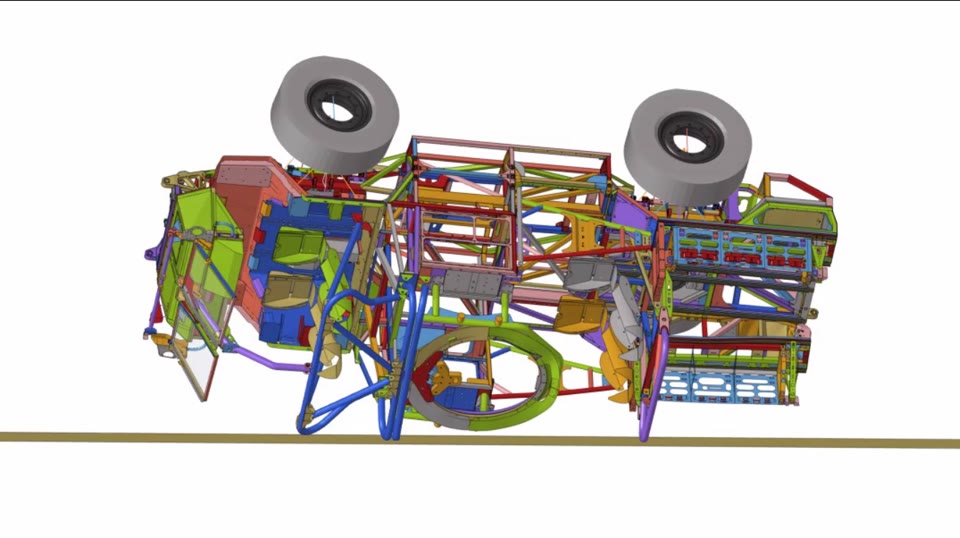 Dynamics
Simulate impact, large deformation and structural failure under extreme loading conditions.
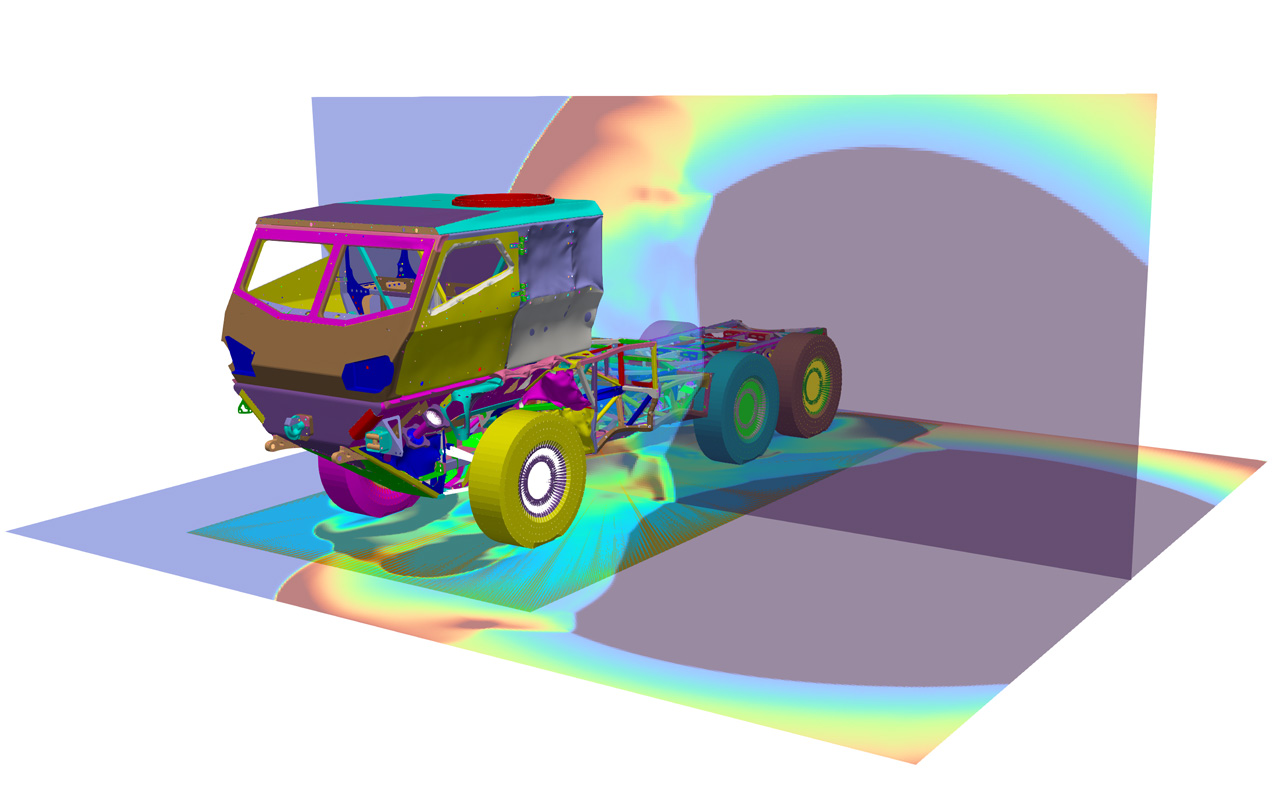 Blast
BlastAssess structural response to explosive threats, blast loading and weapon effects.
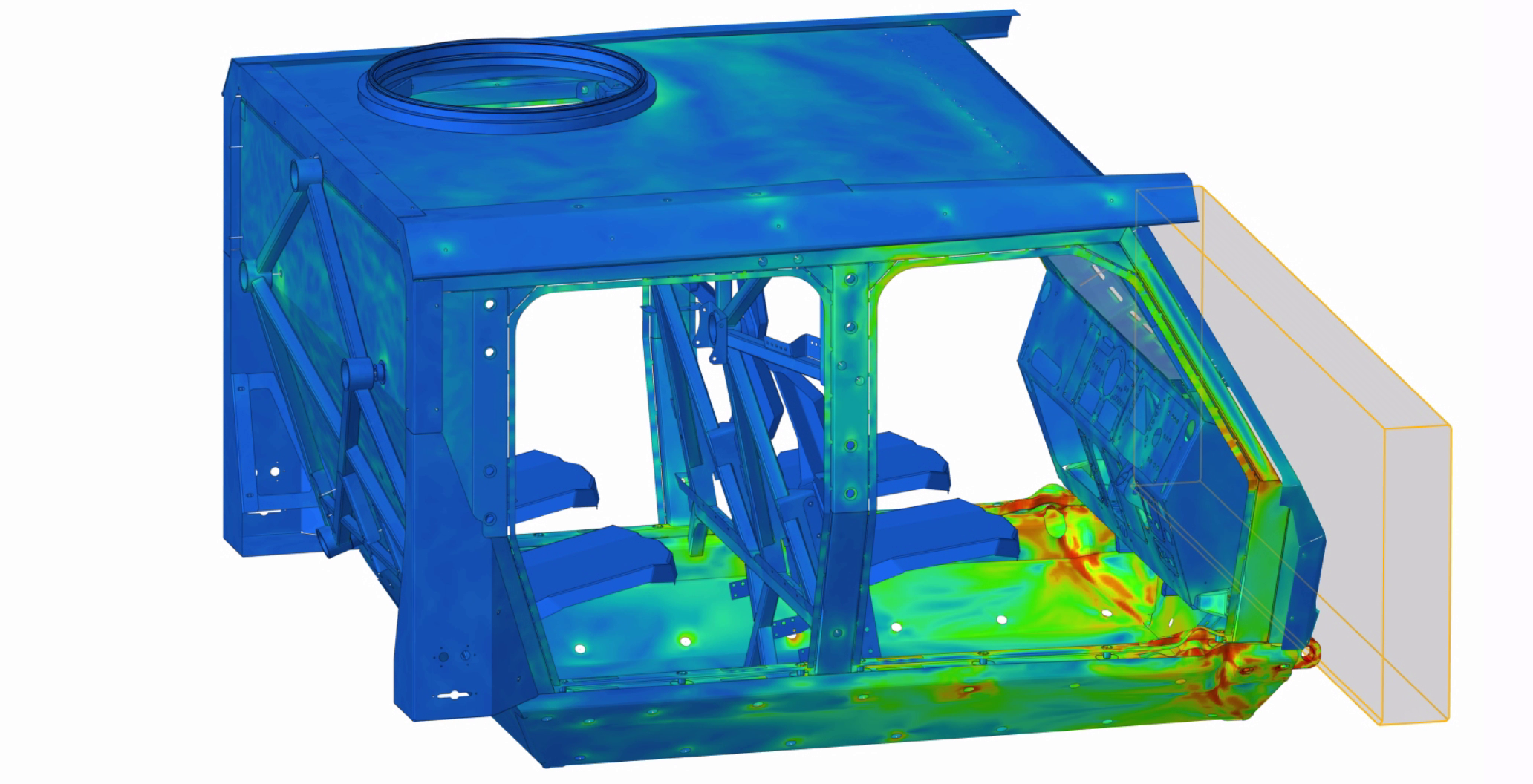 Crash
CrashAssess vehicle crashworthiness, cab structural integrity and occupant protection through simulation.
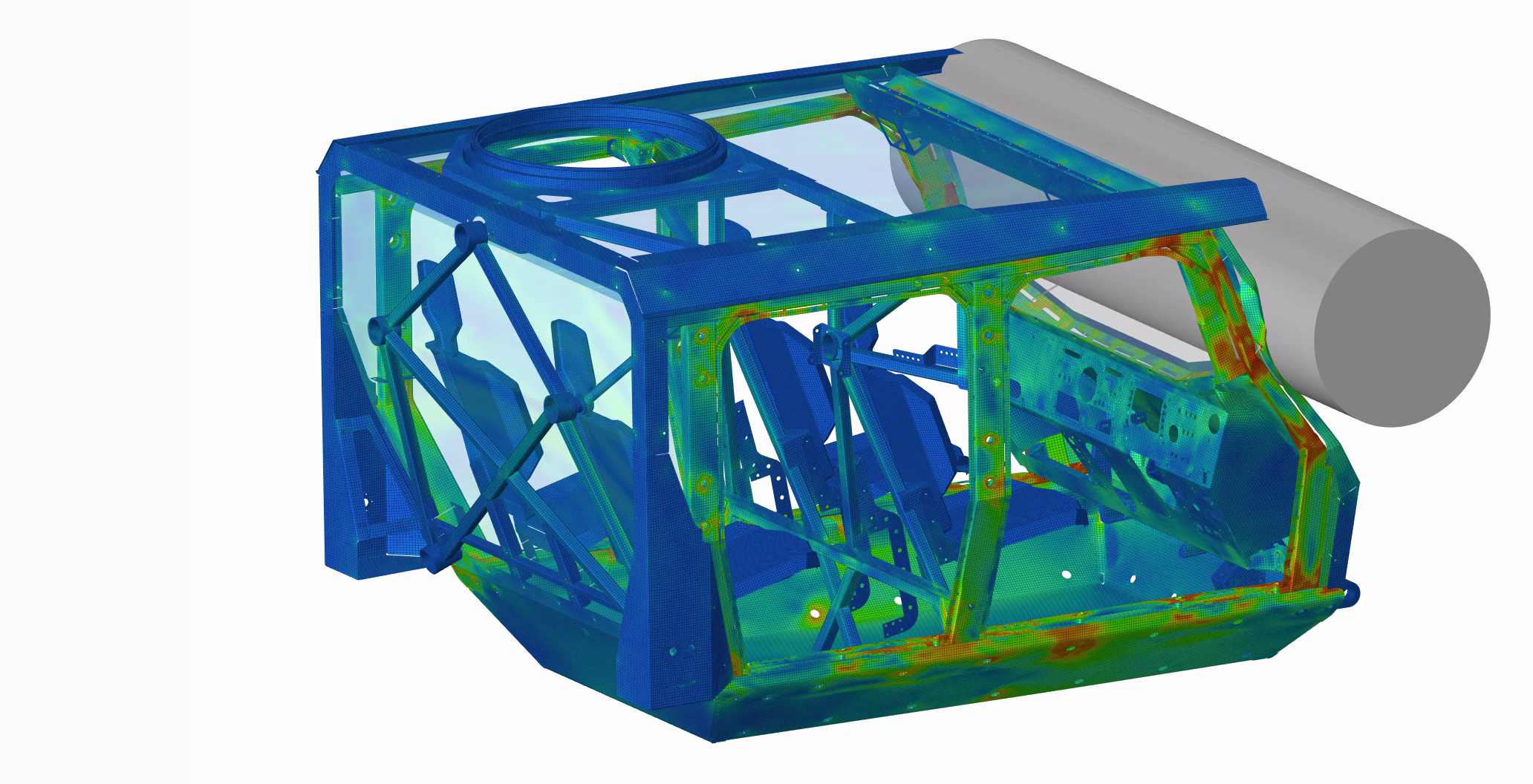 Impact
Investigate drop testing, ballistic penetration and energy absorption in components and protective structures.
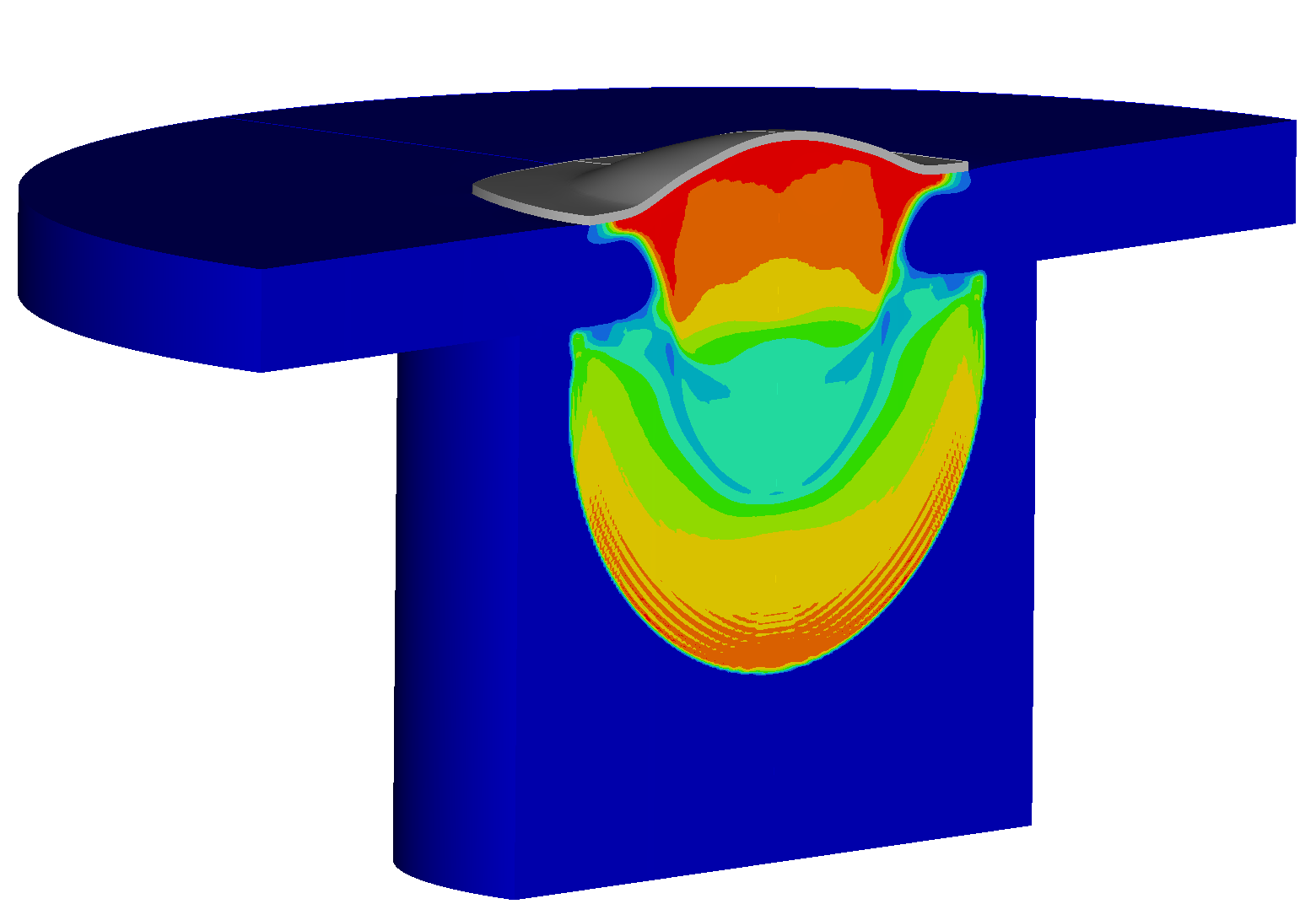 FSI
FSIPredict the interaction between fluids and structures under blast, shock and other dynamic loading conditions.
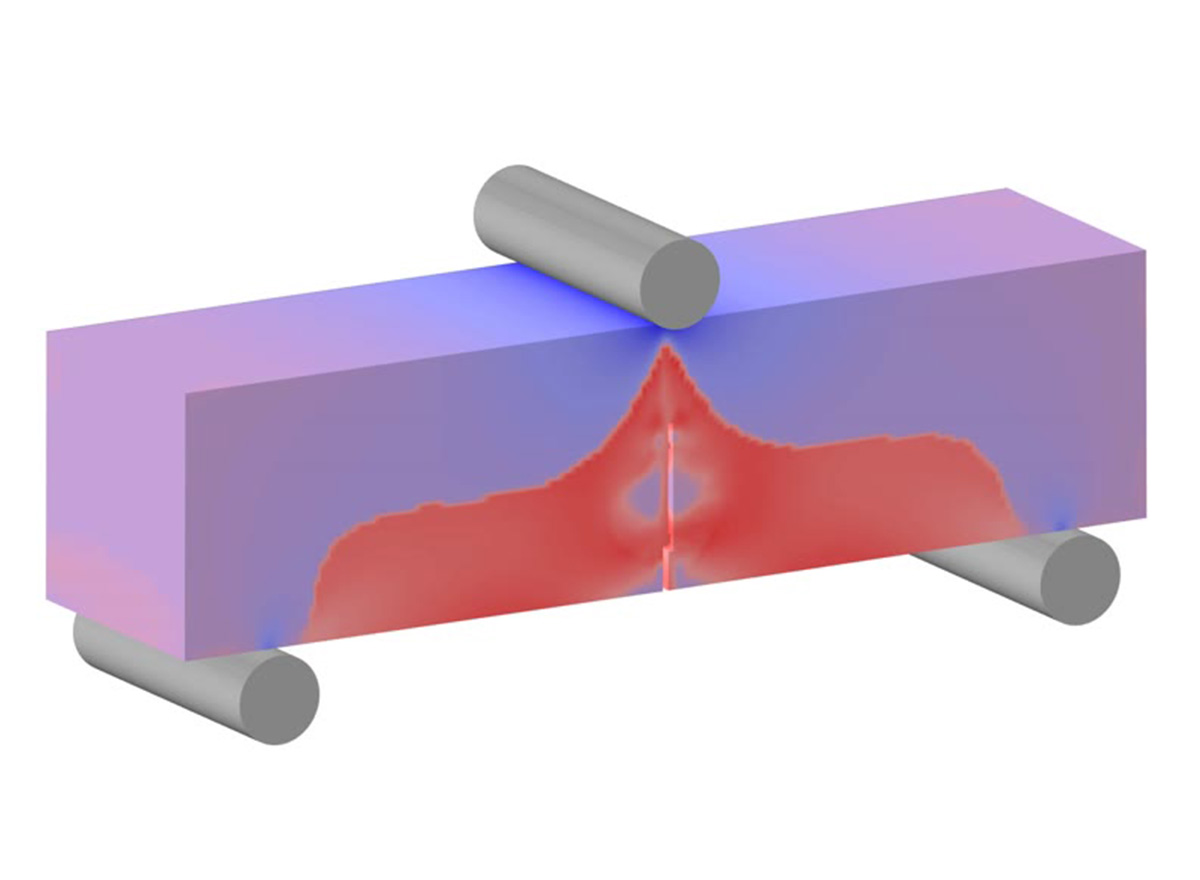 Non-linear
Assess large deformation, material plasticity, damage and complex contact interactions.
 Optimisation
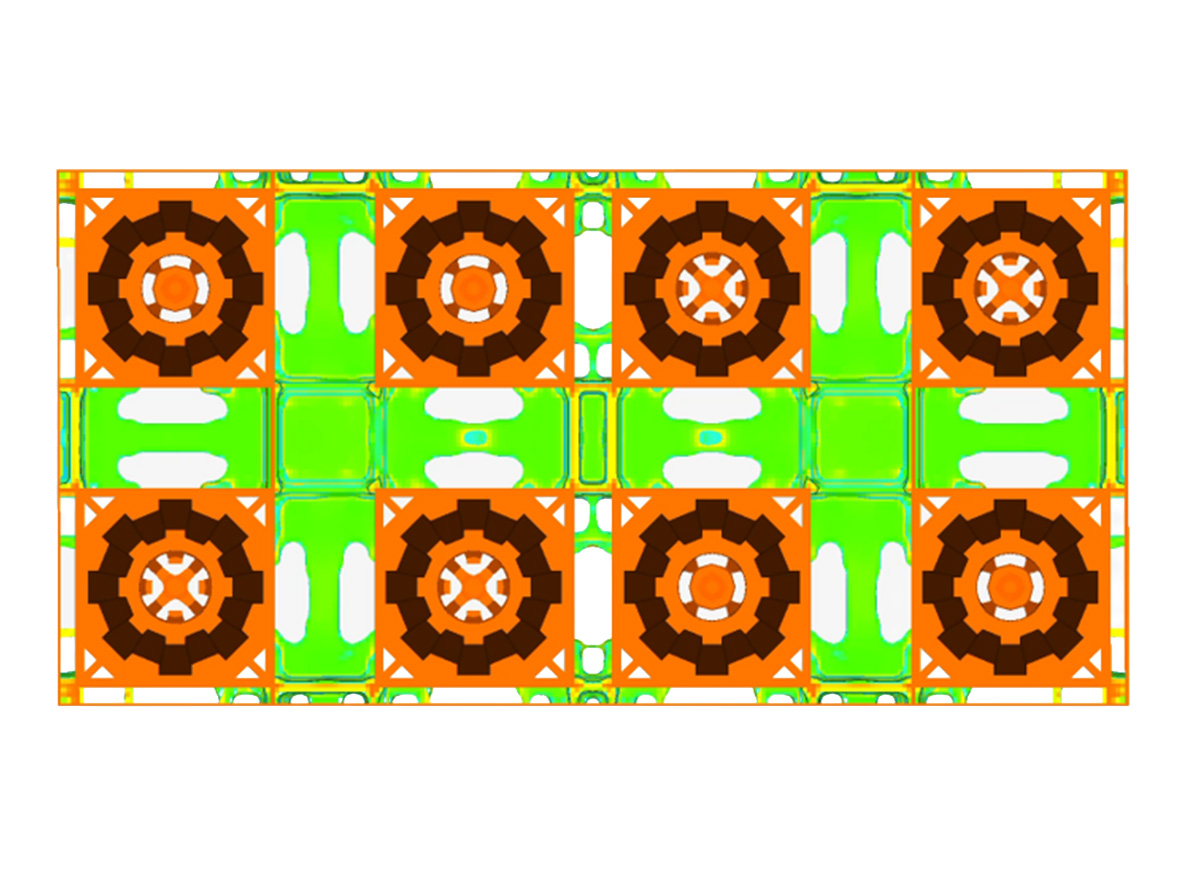
Use simulation-led optimisation to identify efficient load paths, refine material distribution and develop lightweight structures.
 Review
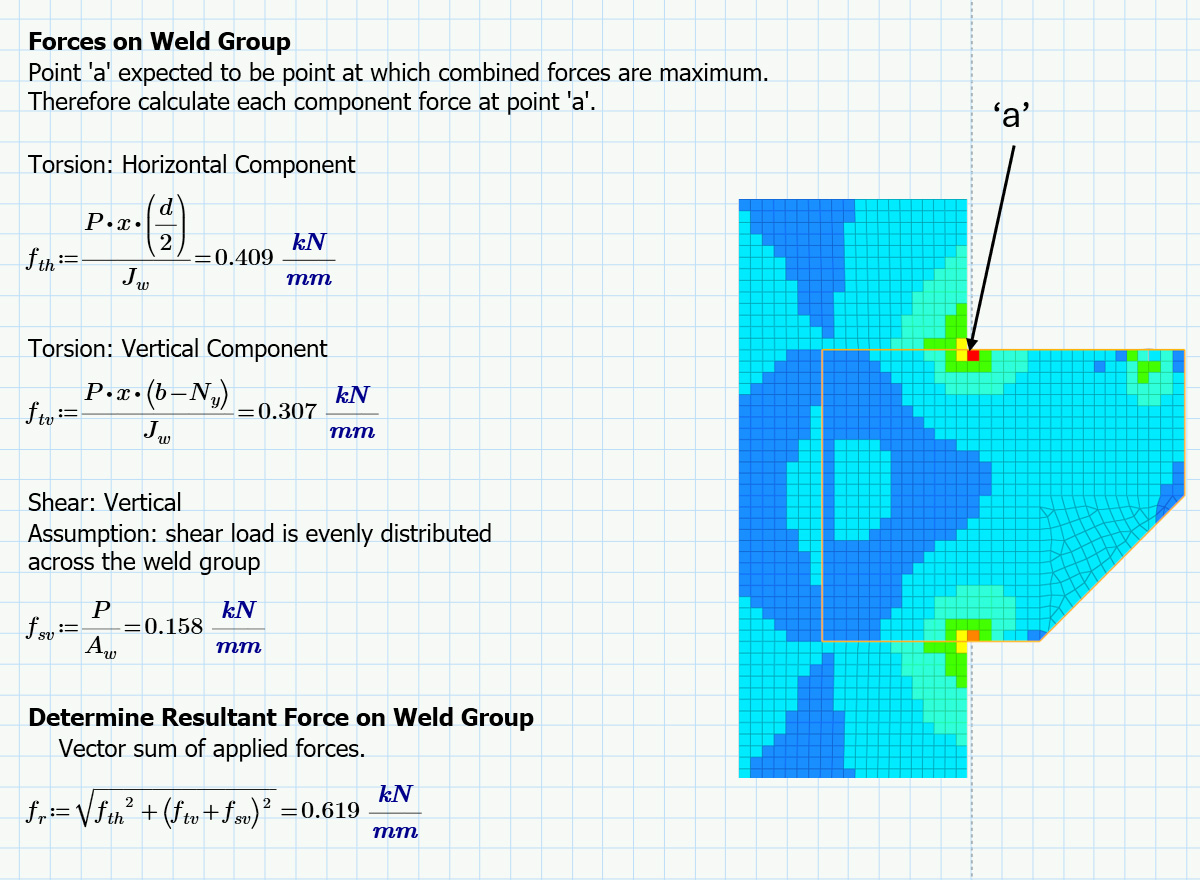
Independent assessment of modelling assumptions, methods, outputs and engineering interpretation.
 Training
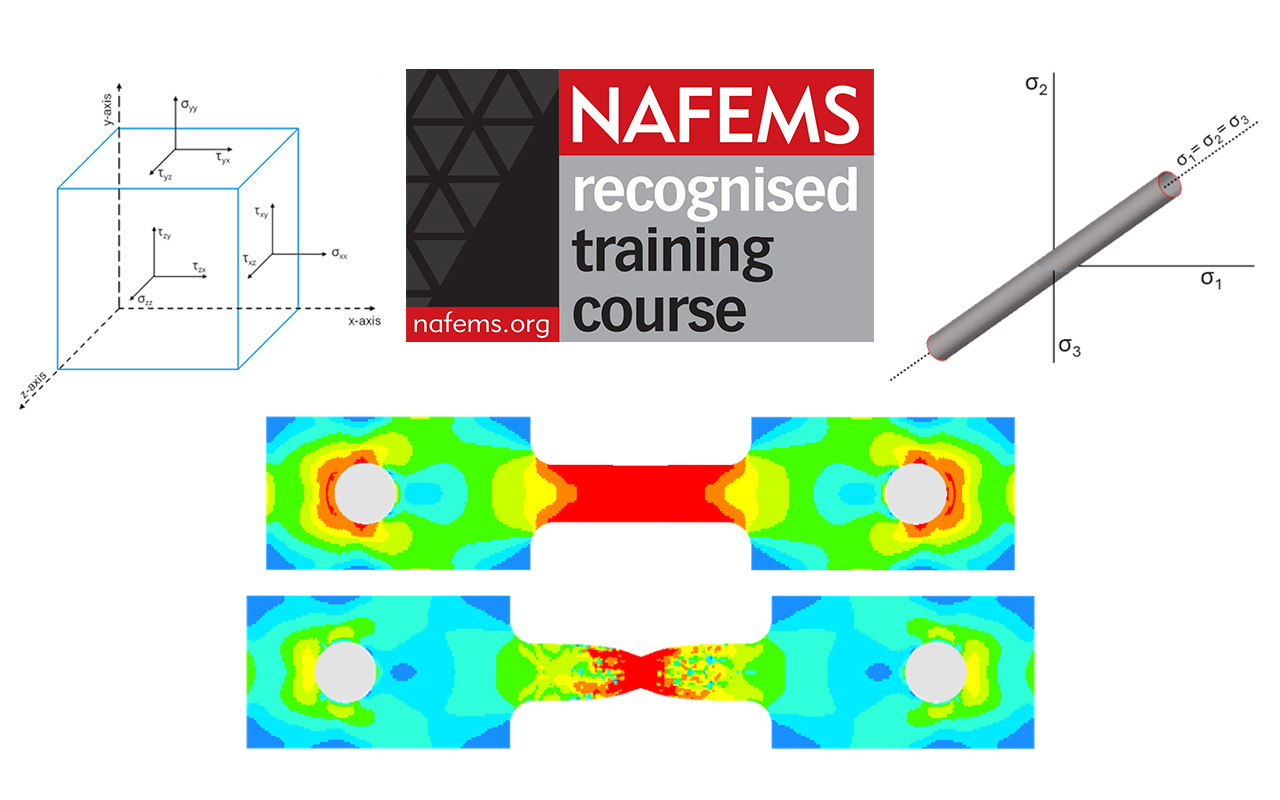
NAFEMS-recognised, code-independent training in linear and non-linear structural response, connections and dynamic loading.
From the engineering brief to evidence for design.
We begin by agreeing the loading conditions, assessment objectives and available evidence with the project team. This defines the modelling approach, required outputs and the checks needed to support the conclusions.
How we approach FEAAgree the scope
Define the engineering objectives, loading conditions, assessment criteria and required outputs.
Plan the project
Ensure that the proposed approach will capture the necessary physics and provide tangible results.
Client informed feedback
Review simulated response, load transfer, and model sensitivity studies before drawing conclusions.
Provide engineering insight
Document the findings, assumptions and their implications for future design development, manufacture or testing.
High-rate structural response, from components to complete systems.
We use explicit dynamic simulation for crashworthiness, rollover, drop, impact and protective-structure problems where contact, deformation and failure evolve rapidly through time.
Explore explicit dynamicsWhen stiffness, geometry or contact changes with the load.
We model material yielding, plasticity, damage, large displacement and changing contact conditions where linear static approximations cannot represent the behaviour reliably.
Explore non-linear analysis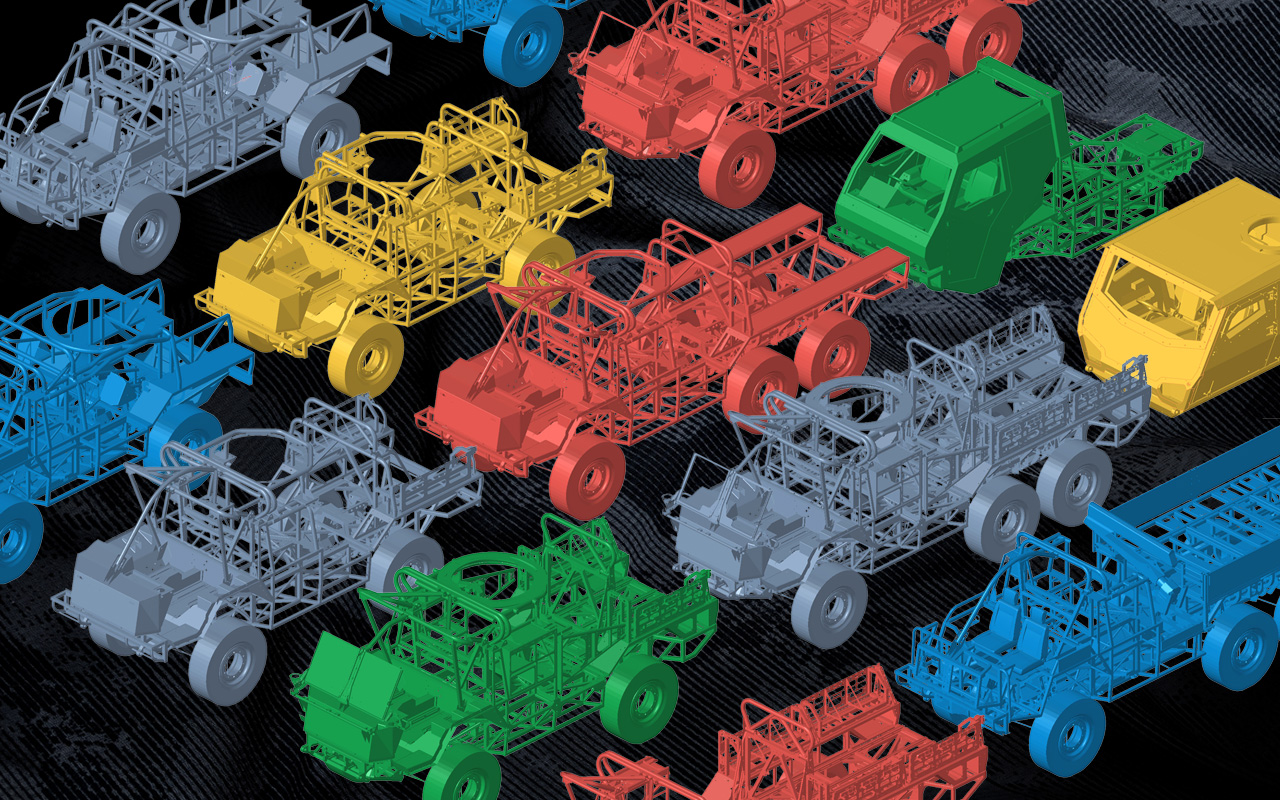
Explore more design options before committing to a solution.
Topology optimisation and simulation-led design exploration help identify efficient load paths, highlight opportunities to reduce mass and provide engineering evidence for comparing design alternatives.
Explore engineering optimisationA second pair of experienced eyes on critical analysis.
Independent review can focus on modelling assumptions, boundary conditions, solver settings, material definitions, verification evidence, result interpretation or the overall suitability of the analysis methodology.
Explore independent technical reviewHave a complex engineering problem?
Talk to one of our analysts about the behaviour you need to understand and the decision the analysis needs to support.